- HR:+91-879-9184-787
- Sales:+91-908-163-7774


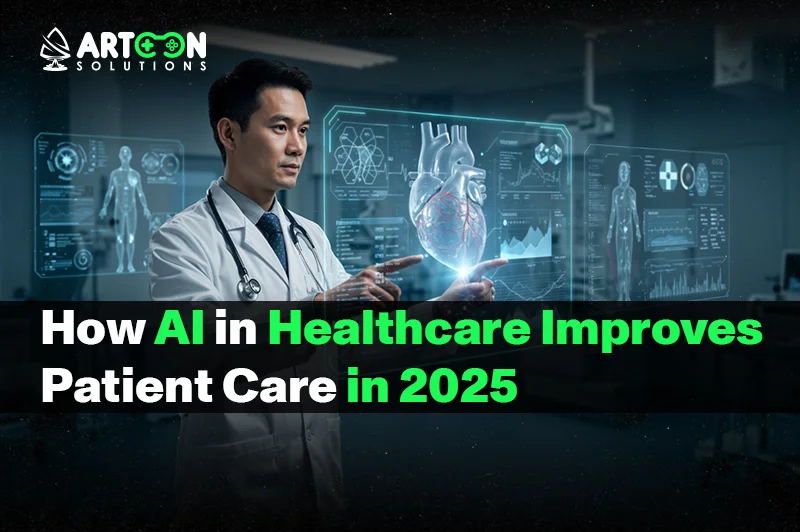
The healthcare industry is transforming in 2025, thanks to the revolutionary advancements in AI in healthcare. From diagnostics to treatment planning and patient management, artificial intelligence in healthcare is enhancing every aspect of the medical field. As technology continues to advance, AI has become a crucial tool in improving patient care, reducing human errors, and delivering personalized treatments at scale.
In this blog post, we will explore the ways in which AI in healthcare is improving patient care, the benefits it brings to both medical professionals and patients, and how it is shaping the future of medicine in 2025. Partnering with an Artificial Intelligence Development company can help create advanced healthcare solutions that enhance patient care and medical efficiency.
AI in healthcare refers to the integration of artificial intelligence technologies into medical systems to enhance the efficiency, accuracy, and accessibility of healthcare services. AI in this context encompasses the use of machine learning (ML), natural language processing (NLP), computer vision, robotics, and other forms of artificial intelligence to assist in diagnosing, treating, and managing diseases, as well as optimizing healthcare operations.
The impact of AI in healthcare is vast and multifaceted, from improving patient outcomes and reducing healthcare costs to streamlining administrative tasks and offering personalized treatment plans. AI’s capabilities are reshaping the healthcare landscape by enabling more accurate, timely, and accessible care for patients across the globe.
Let’s break down the key components of AI in healthcare and explore how it’s transforming the medical field:
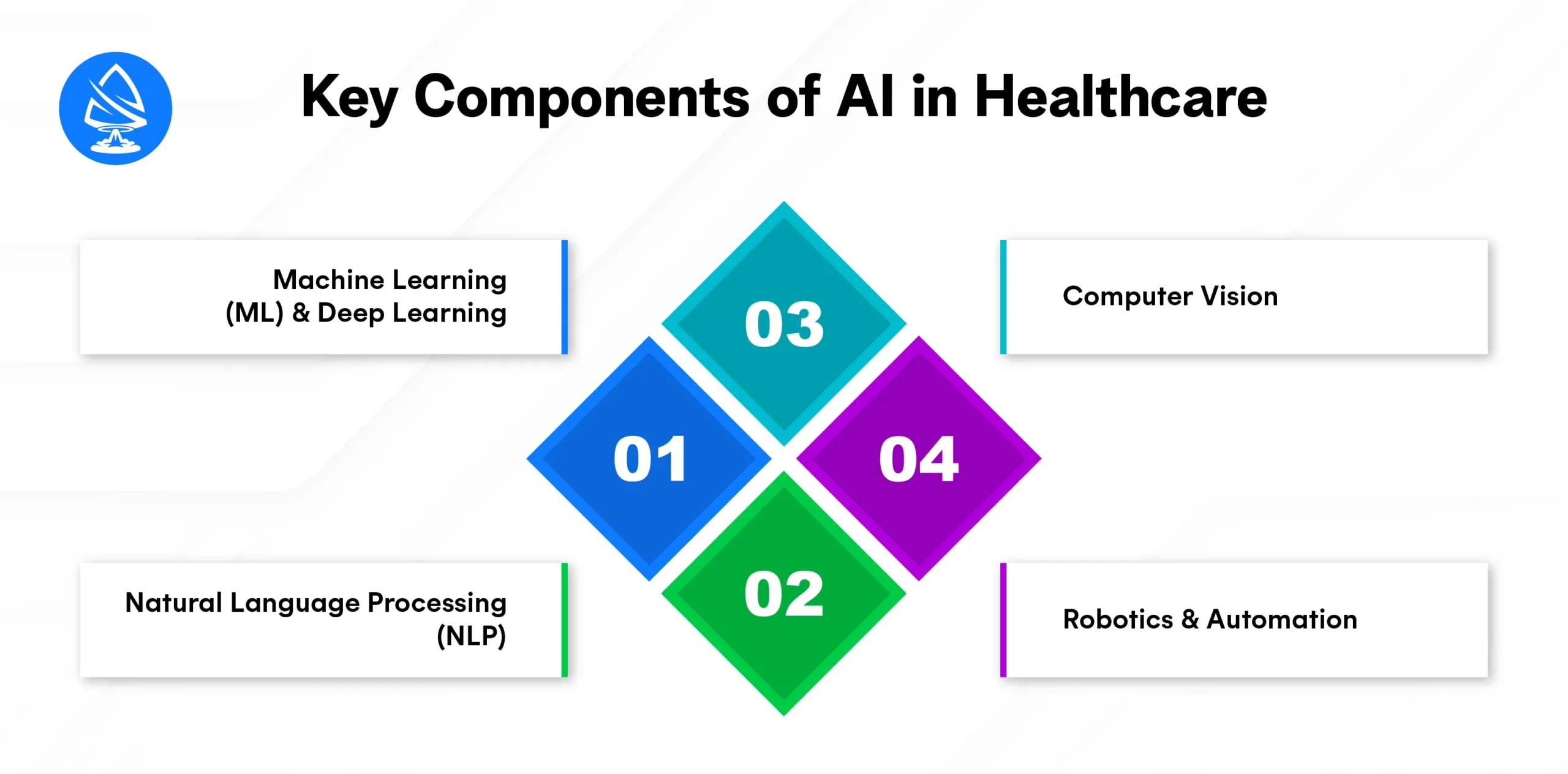
Machine learning is a subset of AI that enables systems to learn from data and improve over time without being explicitly programmed. In healthcare, machine learning models are trained using vast amounts of medical data (such as patient records, diagnostic images, and clinical studies) to identify patterns and make predictions.
Deep learning, a subset of ML, involves complex algorithms and neural networks that simulate the human brain’s processing, enabling AI to recognize intricate patterns in data, such as detecting early signs of cancer in medical images or predicting patient outcomes.
NLP allows AI to understand, interpret, and generate human language. In healthcare, this technology is used for analyzing unstructured data, such as patient notes, medical records, and research papers. NLP enables AI systems to extract valuable information, such as symptoms, diagnoses, and treatment options, enhancing clinical decision-making.
Computer vision refers to AI’s ability to interpret and understand visual information from the world, especially images and videos. In healthcare, this technology is widely used in medical imaging to detect abnormalities in X-rays, MRIs, CT scans, and other diagnostic images. AI-powered computer vision systems can identify patterns in imaging data that may be overlooked by human eyes, such as tumors, fractures, and early-stage disease.
AI-powered robotics is used for surgical procedures, rehabilitation, and patient care. Surgical robots, guided by AI, enable minimally invasive procedures with greater precision, reducing recovery time and minimizing human error. Additionally, AI-based robots are increasingly being deployed to assist with routine tasks, like medication dispensing and administrative duties, improving operational efficiency.
You may also want to know Hire AI Engineers in USA
AI is making a profound impact in various areas of healthcare. Below are some of the key applications:
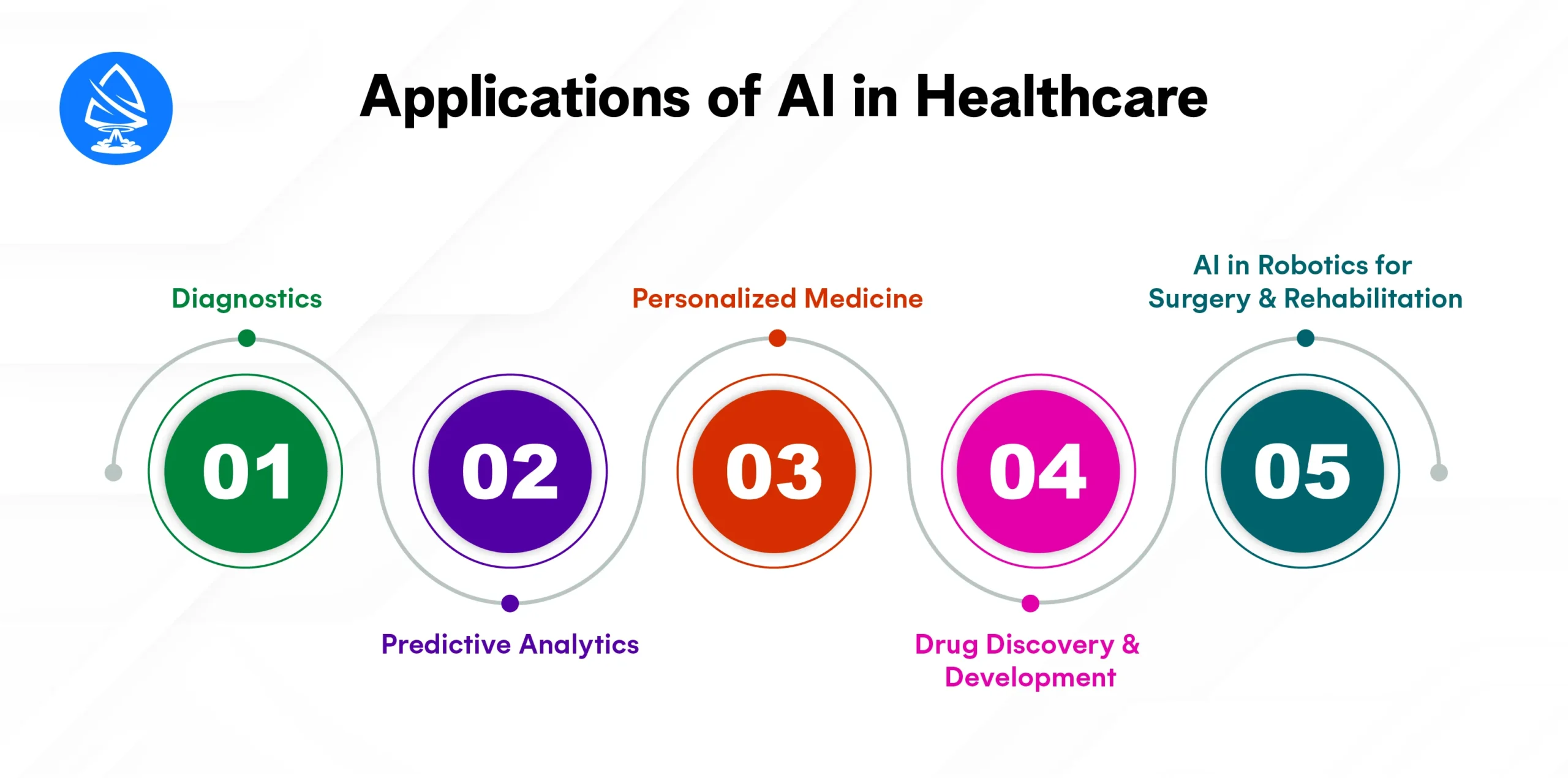
AI is revolutionizing diagnostics by assisting doctors in identifying diseases and conditions at early stages. For example, AI can analyze medical images (e.g., X-rays, MRIs) to detect signs of cancer, cardiovascular diseases, neurological conditions, and other critical health issues with great accuracy. AI-powered systems can help radiologists and clinicians in diagnosing conditions that may otherwise go undetected in routine screenings.
AI uses data analytics to predict the likelihood of certain health events occurring in the future. By analyzing patient history, genetic data, lifestyle factors, and other variables, AI can predict the onset of diseases like diabetes, heart attacks, strokes, or even the likelihood of hospital readmission. This allows healthcare providers to intervene early and reduce risks before they become critical.
AI enables personalized medicine, where treatments are tailored to the individual characteristics of each patient. Through AI, healthcare providers can design treatment plans based on the patient’s genetics, lifestyle, medical history, and specific needs. This approach leads to better patient outcomes, fewer side effects, and more effective therapies.
AI plays a critical role in accelerating the drug discovery process by predicting how different compounds will interact with disease targets. AI systems analyze large datasets of chemical properties and biological responses, identifying promising drug candidates much faster than traditional methods. This has the potential to drastically reduce the time and cost associated with bringing new medications to market.
AI-powered surgical robots have transformed the precision of surgeries, allowing for minimally invasive operations with smaller incisions, faster recovery times, and reduced complications. Additionally, AI in rehabilitation helps patients with physical therapy by customizing exercise regimens based on real-time feedback, accelerating recovery.
AI in healthcare is playing a pivotal role in enhancing patient care by making processes more accurate, efficient, and accessible. Here are the key areas where artificial intelligence in healthcare is revolutionizing patient care:
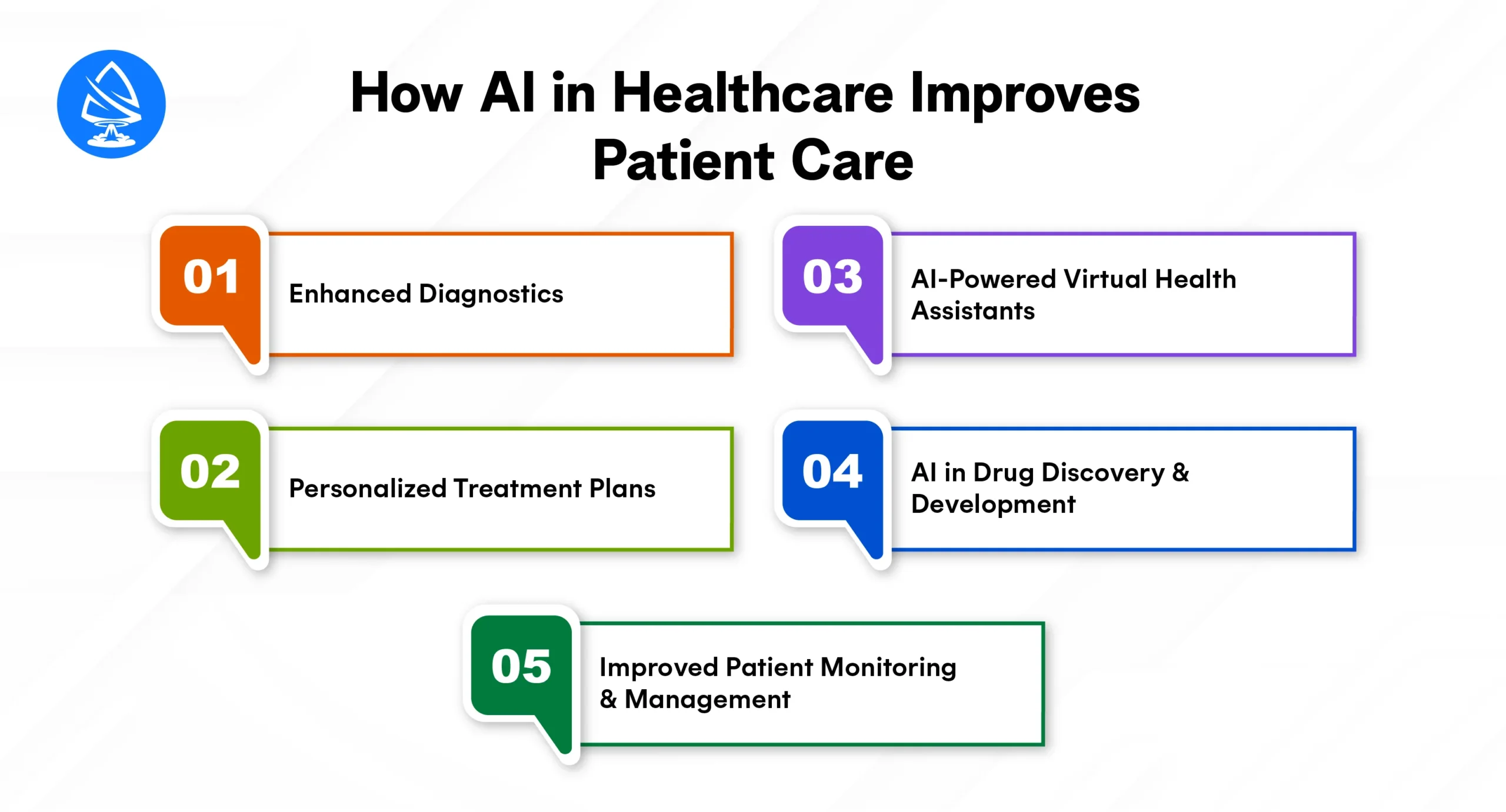
One of the most significant ways AI for healthcare is improving patient care is through advanced diagnostic tools. AI algorithms can analyze medical data, such as medical images, lab results, and patient records, with incredible accuracy, often identifying diseases and conditions faster and more reliably than human doctors.
With the help of AI in healthcare, doctors are now able to provide personalized treatment plans tailored to each patient’s genetic makeup, medical history, and lifestyle. AI for medical solutions, like genetic testing and analysis tools, can suggest the most effective treatments based on individual characteristics, thus improving the likelihood of a successful outcome.
For example, artificial intelligence medicine is increasingly being used in oncology to design personalized cancer treatment regimens, helping to determine the best drugs, dosages, and therapeutic strategies for each patient.
In 2025, AI-powered virtual health assistants are becoming more integrated into patient care. These AI systems, powered by generative AI in healthcare, can engage patients in real-time, answering questions, scheduling appointments, and even tracking symptoms. They can monitor patient health continuously, providing doctors with updates and alerting them if intervention is needed.
These virtual assistants are designed to:
The process of drug discovery is long, costly, and often inefficient. However, AI in healthcare is transforming this process by using machine learning algorithms to analyze data and predict which compounds are most likely to be effective in treating certain diseases.
AI-driven tools are helping healthcare professionals continuously monitor patients’ conditions in real-time, even after they leave the hospital. Healthcare AI can analyze data from wearable devices like fitness trackers and smartwatches, providing physicians with continuous updates on vital signs such as heart rate, blood pressure, and glucose levels.
You may also want to know about AI in HR
Artificial Intelligence (AI) is making a transformative impact on healthcare, revolutionizing how medical professionals diagnose, treat, and manage patient care. In 2025, AI in healthcare is being integrated across all aspects of the medical field, from improving diagnostic accuracy to streamlining administrative tasks and enabling personalized treatments. AI’s capabilities, such as machine learning, natural language processing (NLP), computer vision, and robotics, are enhancing both the quality of care and the operational efficiency of healthcare systems.
Let’s explore in detail how AI is used in healthcare across various domains:
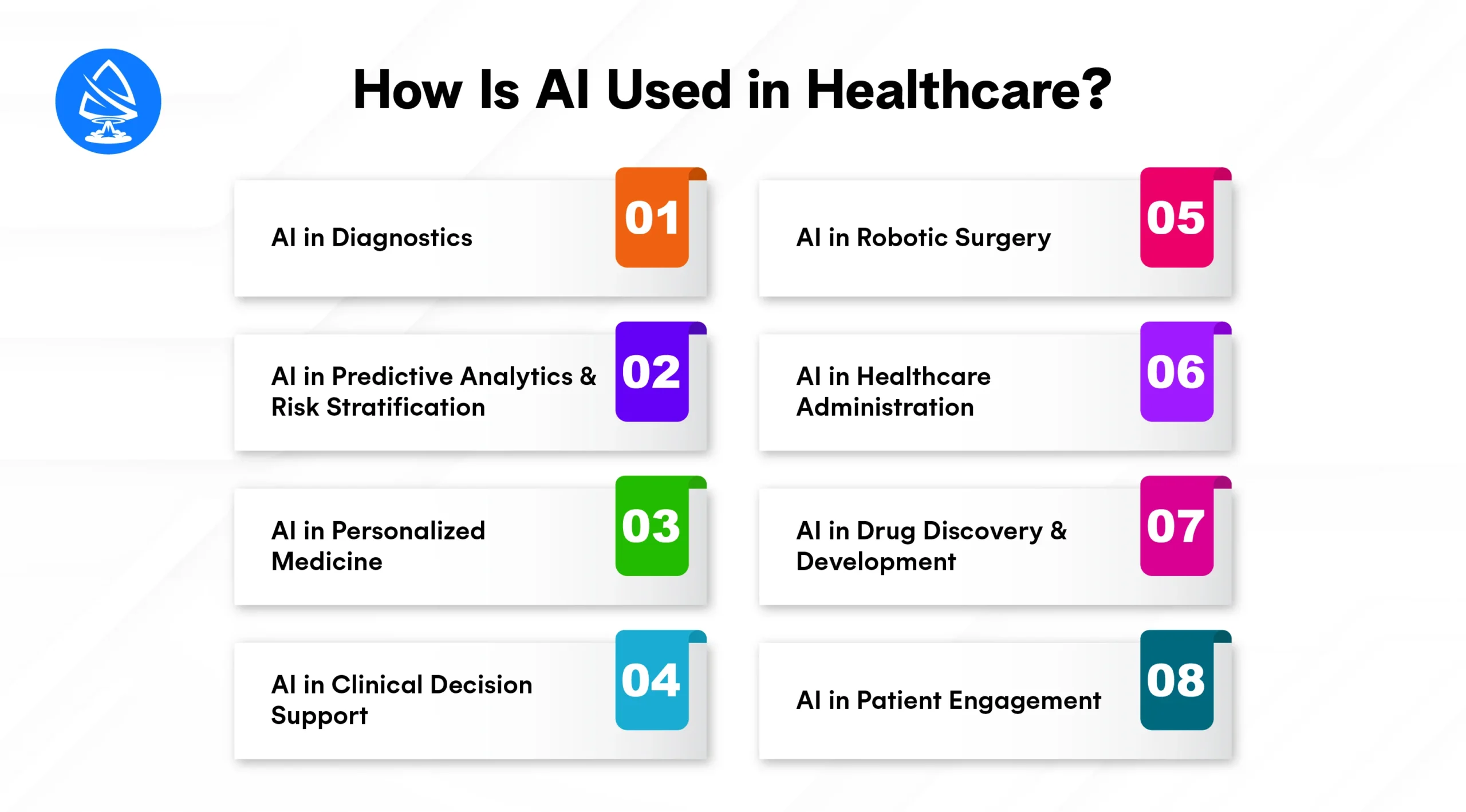
AI for healthcare has greatly enhanced the accuracy and speed of diagnostics, particularly in medical imaging, lab analysis, and genetic testing. Artificial Intelligence models, trained on vast datasets, can detect patterns and identify anomalies that may be challenging for human clinicians to spot.
AI is widely used for predictive analytics in healthcare, enabling providers to foresee potential health issues before they manifest into critical conditions. By analyzing patient data, AI can forecast disease progression, identify at-risk patients, and recommend interventions.
Personalized medicine is one of the most exciting advancements facilitated by AI in healthcare. AI allows for more precise treatment plans by analyzing a patient’s unique genetic makeup, lifestyle, and medical history.
AI systems are increasingly used to assist doctors in making clinical decisions. These clinical decision support systems (CDSS) are designed to analyze patient data, medical literature, and best practices to suggest optimal treatment paths.
AI-powered robots are increasingly used in minimally invasive surgeries, where precision and small incisions are key. These robots assist surgeons in performing complex procedures with greater accuracy and reduced risk.
In addition to direct patient care, AI is streamlining healthcare operations and improving administrative processes, making healthcare systems more efficient and cost-effective.
AI is revolutionizing the way pharmaceutical companies discover and develop drugs. By analyzing vast amounts of biological and chemical data, AI can identify promising drug candidates and predict how they will perform in clinical trials.
AI is enhancing patient engagement by providing tools that empower patients to manage their health more effectively and stay involved in their care.
Artificial Intelligence (AI) is revolutionizing the healthcare sector by transforming patient care, streamlining processes, and improving overall efficiency. From reducing human error in diagnoses to optimizing treatment plans, AI’s capabilities are vast and diverse. The benefits of AI in healthcare are not only significant for healthcare professionals but also for patients, enabling a more personalized, accurate, and efficient healthcare experience.
Below are the key benefits AI in healthcare brings to the table in 2025 and beyond:
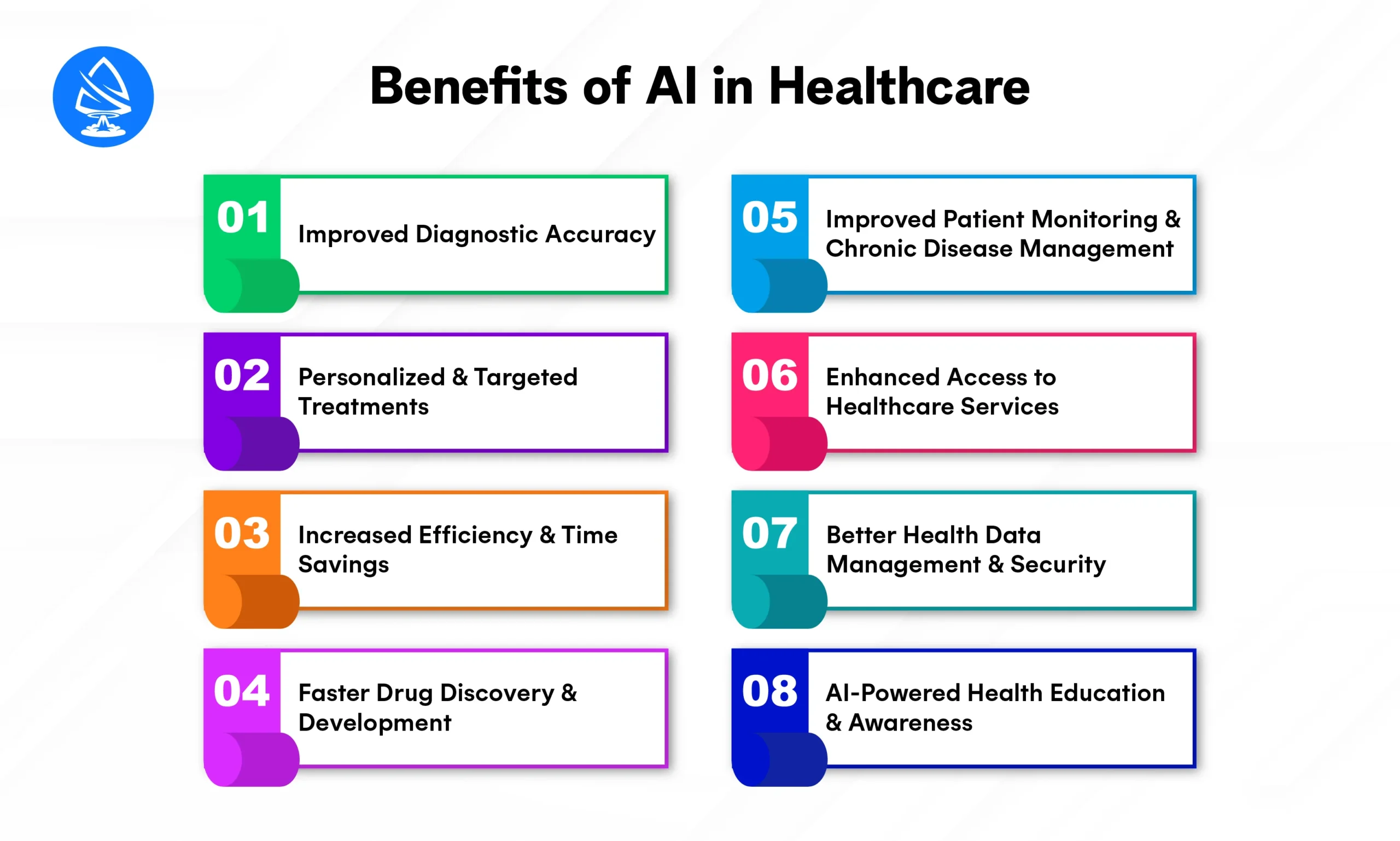
AI’s ability to analyze vast amounts of medical data, such as patient records, imaging scans, and lab results, has significantly improved diagnostic accuracy. AI systems, particularly those using machine learning (ML) and deep learning, can identify patterns in data that might not be visible to the human eye, allowing for earlier detection and more precise diagnoses.
One of the most transformative benefits of AI in healthcare is the ability to create personalized treatment plans for patients. AI can analyze a patient’s genetic information, lifestyle factors, and medical history to suggest the most effective treatments for their unique condition.
AI automates many routine administrative tasks in healthcare, reducing the burden on healthcare providers and allowing them to focus more on patient care. This includes tasks like appointment scheduling, patient data entry, and billing.
AI is dramatically changing the way drugs are discovered and developed. Traditionally, the drug discovery process is lengthy and costly, taking years to bring a drug to market. AI accelerates this process by analyzing vast amounts of data to identify potential drug candidates and predict how they will interact with biological systems.
AI is a key enabler in the continuous monitoring of patient health, especially for those with chronic conditions like diabetes, hypertension, and asthma. With AI-powered tools and wearable devices, healthcare providers can track vital signs in real time, intervene early, and ensure that patients are following their treatment plans.
AI has the potential to increase access to healthcare by providing remote consultations and enhancing telemedicine services. AI-driven chatbots, virtual assistants, and diagnostic tools allow patients to receive medical advice, book appointments, and even get preliminary diagnoses without leaving their homes.
AI-powered systems can also assist in managing vast amounts of patient data, making it easier for healthcare professionals to access, update, and secure patient records. AI systems ensure that medical records are organized, up-to-date, and easily accessible.
AI is increasingly used to educate both patients and healthcare providers about various health conditions and treatments. AI systems can tailor health education to individual patient needs, providing information in formats that patients understand and can use to make informed decisions about their health.
In 2025, AI in healthcare is poised to improve patient care in more ways than ever before. From advanced diagnostics and personalized treatments to virtual assistants and AI-powered monitoring tools, the potential of artificial intelligence in healthcare is vast. As AI continues to evolve, its ability to save lives, reduce costs, and improve healthcare efficiency will only increase. To harness the full potential of AI in healthcare, consider hire AI developers who can help build cutting-edge solutions tailored to the unique needs of the industry.
By embracing AI, healthcare organizations can provide better care, faster diagnoses, and more accurate treatments for patients, making healthcare more accessible and equitable.
As we look to the future, AI in healthcare will continue to be a driving force behind innovation in medicine, ultimately making healthcare more precise, efficient, and patient-centric.
1. How does AI improve patient care in healthcare?
AI improves patient care by enhancing diagnostic accuracy, providing personalized treatments, assisting with real-time monitoring, and automating administrative tasks.
2. What are the benefits of AI in healthcare?
AI benefits healthcare by improving accuracy, efficiency, and patient outcomes, reducing costs, and enabling personalized treatment plans.
3. How is AI used in medical imaging?
AI is used in medical imaging to analyze X-rays, MRIs, CT scans, and other images, helping detect conditions like cancer, fractures, and cardiovascular diseases.
4. What is generative AI in healthcare?
Generative AI in healthcare refers to AI systems that can generate new data or simulations, such as designing drugs, creating synthetic medical images, or simulating clinical outcomes.
5. Can AI replace doctors in healthcare?
AI enhances and supports medical decision-making but is not a replacement for doctors. It aids in diagnostics and treatment planning but requires human expertise for patient care.
6. How does AI help with drug discovery?
AI speeds up drug discovery by predicting how different compounds interact with biological targets, optimizing the search for new, effective drugs.
7. Is AI in healthcare secure?
AI in healthcare is secure when built with privacy and ethical guidelines in mind. Strict data protection laws, such as HIPAA, ensure patient data remains confidential and safe.

Artoon Solutions
Artoon Solutions is a technology company that specializes in providing a wide range of IT services, including web and mobile app development, game development, and web application development. They offer custom software solutions to clients across various industries and are known for their expertise in technologies such as React.js, Angular, Node.js, and others. The company focuses on delivering high-quality, innovative solutions tailored to meet the specific needs of their clients.
 For business inquiries only