- HR:+91-879-9184-787
- Sales:+91-908-163-7774


In today’s digital world, the requirement for top-notch mobile applications is growing rapidly. Whether it is a start-up wanting to disrupt the space or an established organisation looking to communicate better with users, mobile app development services are integral in realising these goals with the help of mobile application developers. However, what is involved in the actual development of a high-performance mobile application? In this article, we will look at the strategies, tools and insights used by mobile app developers to develop high-speed, reliable and user-friendly mobile applications.
Mobile app developers are the creators of the everyday mobile applications we use, from social networks to online shopping, finance to fitness tracking with mobile application developers. They create an application that works properly. A mobile app developer’s job is more than just coding; it also includes an understanding of how a user will interact with an application (user experience/UX), guided by mobile application developers, and how that interaction should be done so that the application’s overall structure and design function optimally.
There are two main areas of mobile application development handled by mobile application developers, whether the app is built for Apple or Android devices:
Today’s digital age is a super-fast-paced world, and users expect mobile applications to perform at high speed with exceptional reliability and smoothness. Mobile application developers are incredibly important in meeting this goal through the use of intelligent strategies and new technologies to create exceptional applications with exceptional performance.
The steps to follow when you want to create an app that performs very well.
Mobile application developers define the purpose of the app by answering two questions. What problem the application is solving, and who they are selling it to. Developers will then build an application based on the defined criteria that will meet the user’s expectations.
A real-world example of this would be a popular food delivery application that had its interface designed by a custom mobile app developer using user behaviour metrics to redesign the user interface and saw an increase in user retention of 25%.
Mobile application developers will typically use Swift for iOS applications and either Kotlin or Java for Android applications. By choosing the appropriate programming language for the application, this will result in more efficient applications in terms of performance, how easy it is to deploy updates, and how scalable the application is.
Another significant trend in app development is the growing role of AI app developers who integrate artificial intelligence into mobile applications to deliver advanced experiences such as smart chatbots, personalised recommendation engines, and powerful predictive analytics for users.
An application can be intuitive, which will be very beneficial for users who might be downloading your mobile application.
Users who download applications will typically not use them anymore if the application takes more than 3 seconds to load.
This step shows how mobile application developers can optimise the memory footprint, how large the mobile application is, and how well they write the code.
An example of a banking application optimiser was able to reduce the total crashes.
Testing is a critical component of the app development cycle, and all app developers will thoroughly test their applications through various devices in multiple ways so they can detect bugs, glitches, or performance issues.
For example, if an app developer for Android manually tests different functions when some automated tests may miss those areas, that is the after-the-fact way of providing a quality app and providing a good experience for all users.
Launching an app is only the beginning. Mobile application developers monitor how customers use their application as well as the overall performance and release updates according to that information.
Example: After Mobile app developer companies released an update to improve battery consumption habits and adjust how push notifications work with their fitness applications, the fitness application gained 30% of new users within the first month of release due to increased daily usage.
You may also want to know AI in CPG
The ever-changing technological landscape continues to influence how mobile applications will be designed and built, allowing developers to use these new technologies to create high-performance apps for users in a way that is faster, smarter, and more secure.
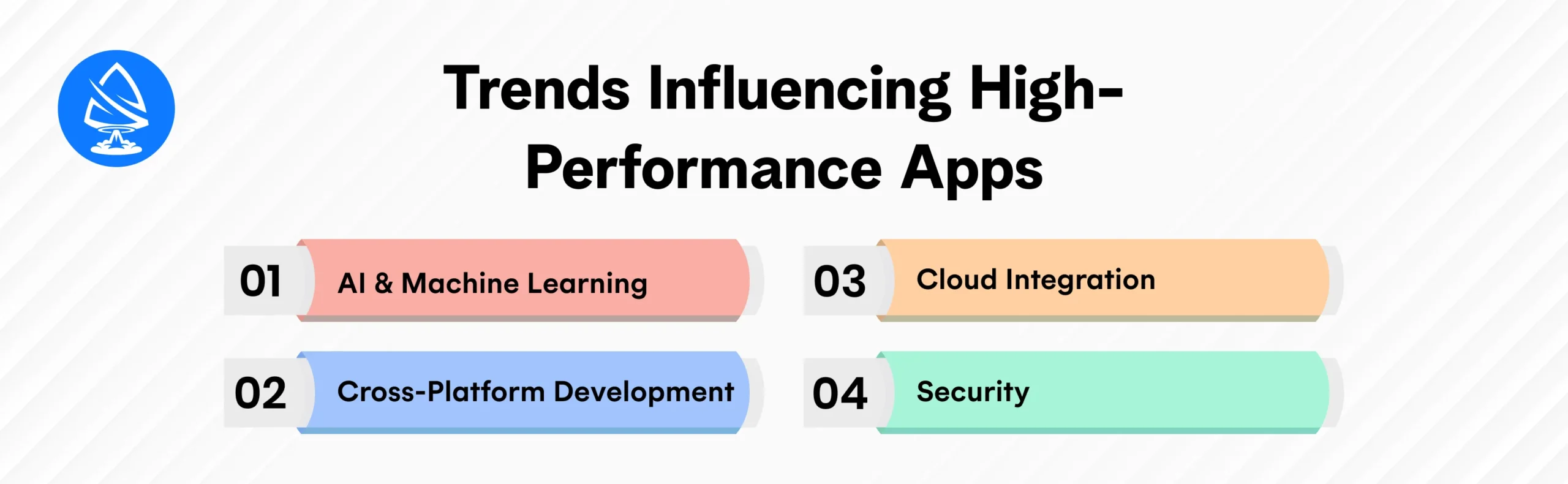
AI is enabling companies to personalise the experience for their end users through AI app developers with the use of machine learning. Many mobile application developers will integrate machine learning into their mobile applications to help determine user behaviour, recommend similar content based on user preferences, and help detect possible security risks.
There are now many software app developers who use frameworks such as Flutter and React Native that allow them to build applications for multiple platforms (Android vs. iOS) within a single codebase, which ensures that they build their applications faster and provide a consistent user experience across each platform.
Most applications rely on cloud services to manage data storage and heavy processing power; therefore, the mobile application developers must build optimally connected applications to the cloud.
Security should be top-of-mind for mobile application developers who implement multiple layers of security through encryption, secure login methods, and periodic security audits to keep their applications secure.
Example: A popular messaging application saw a 50% reduction in all documented security breaches after implementing artificial intelligence (AI)-based anomaly detection via its AI app developers.
In order for an app to provide its users with a great experience, mobile application developers will continue monitoring the actual performance of the app through various metrics, including load time, crash rate, battery consumption, user interaction, and app store ratings. These metrics give the developer information on how their application works in the real world. Evidence suggests that optimised applications retain users 30-50%more than unoptimized applications, thus underscoring the need for performance optimisation and continuous performance evaluation.
Mobile application development can be a challenging experience when creating mobile applications that perform well. Therefore, mobile developers have to deal with many technical and operational obstacles daily. A mobile app developer must continuously learn from their mistakes, adapt to new situations, and develop innovative technologies to offer dependable and efficient products.
Expert mobile app developers know how to develop apps that work great and will keep users coming back again and again by using tried and true methodologies. The following expert tips will help app builders build future-proof, stable, and engaging mobile applications.
You may also want to know AI in IT Infrastructure
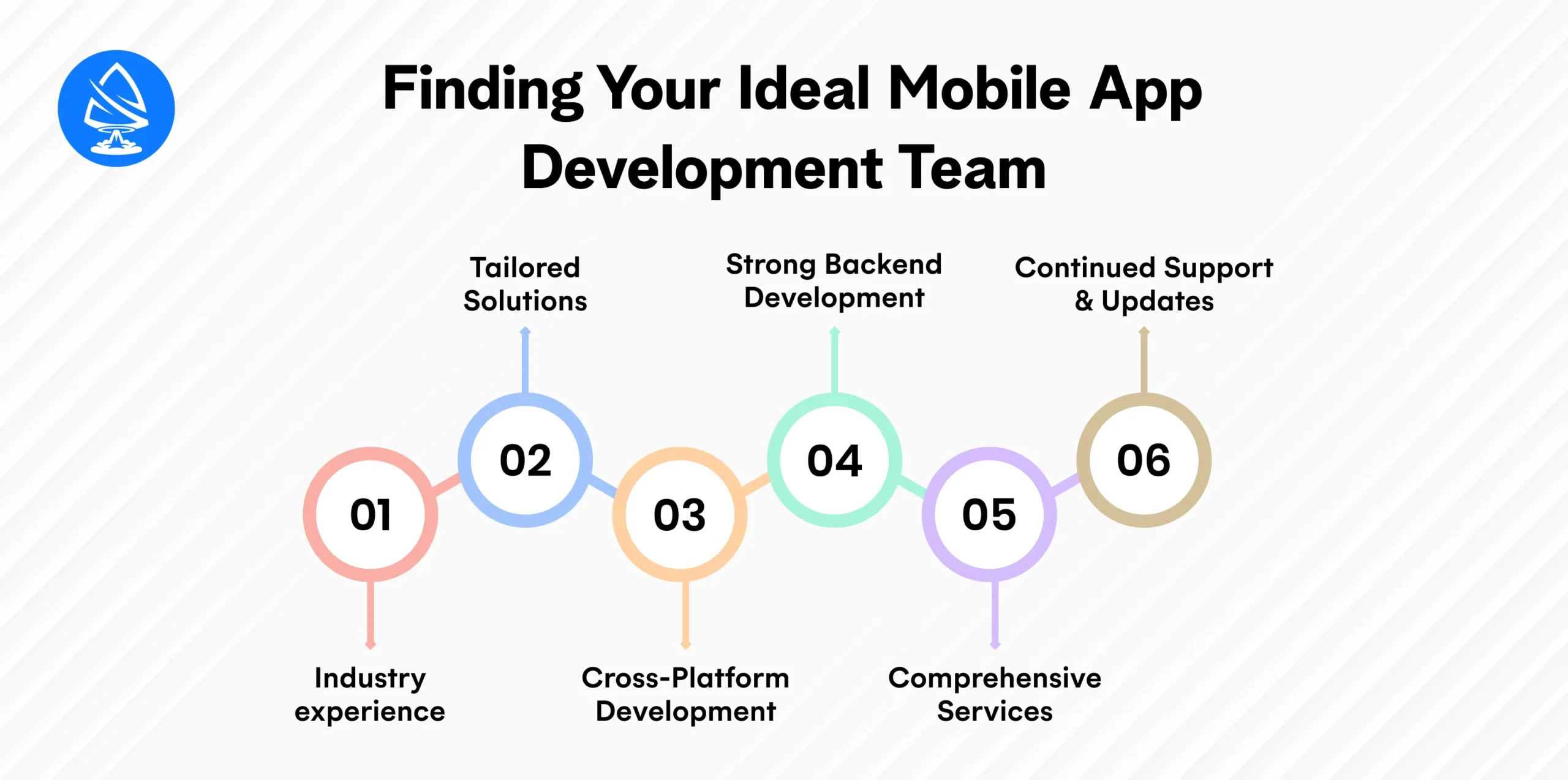
One of the most critical components of creating an effective mobile application is locating your ideal development partner. A knowledgeable mobile app developer will have experience and industry expertise to turn your thoughts into functioning digital solutions that achieve your organisation’s purpose.
Building mobile apps that perform well requires mobile application developers with technical skill and artistry. App developers use their technical expertise and creative design abilities along with observational insights gained from understandingpast user behaviour in order to create mobile apps that will run smoothly, performreliably and maintain user engagement, whether on iOS or Android.
Existing appdevelopers have the opportunity to develop new app ideas using current trends such as AI, cross-platform development, and cloud integration. This accelerates the creation ofnew application ideas into final products that users will enjoy. The resulting applications can be used to aid in building customer loyalty and long-term revenue for businesses.
Artoon Solutions offers high-quality and scalable mobile application development services that are both reliable and innovative, based on the unique needs of the business. Furthermore, the mobile cost calculator is an invaluable tool for businesses to help them estimate the cost involved in developing an application expediently and accurately, so businesses can better plan their app development.
1. Which specific types of developers build mobile apps?
Mobile app developers can be an iPhone app developer, an Android app developer, a hybrid app developer, or an AI app developer that incorporates AI features into their applications.
2. How do you select a suitable mobile app developer?
When selecting mobile app developers, you should review their experience, portfolio, experience in building iOS and/or Android apps, UX/UI experience, and experience with AI.
3. What are the charges for hiring a mobile application developer?
Freelance mobile application developers charge $50–$200/hour, while company-based developers may charge $10,000–$500,000 depending on project complexity.
4. What should I review when considering mobile app development companies?
Choose mobile application developers with strong portfolios, skills in AI/Flutter/React Native, and reliable post-launch support. They ensure optimal performance across all platforms.
5. Can a mobile app developer develop applications for both iPhone/iPad and Android?
Experienced mobile application developers use Flutter or React Native to deliver optimal performance on all platforms.
6. What are the latest trends in mobile app development?
The current trends in mobile app development, AI integration, AR features, app security, and performance tracking are shaping mobile app development.

Artoon Solutions
Artoon Solutions is a technology company that specializes in providing a wide range of IT services, including web and mobile app development, game development, and web application development. They offer custom software solutions to clients across various industries and are known for their expertise in technologies such as React.js, Angular, Node.js, and others. The company focuses on delivering high-quality, innovative solutions tailored to meet the specific needs of their clients.
 For business inquiries only